
Why Killarney Matters for Walkers
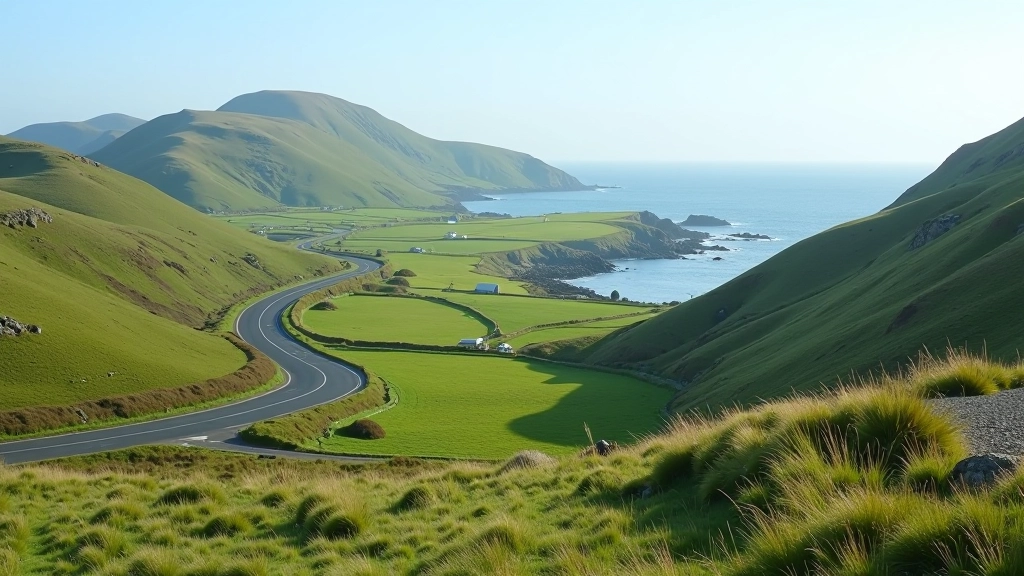
Killarney isn't just another park in Ireland. It's 25,000 acres of genuine wilderness — mountains, lakes, ancient woodland — all accessible within walking distance of each other. That's what makes it special.
You'll find trails here for literally everyone. Don't have much fitness? The Muckross loop takes ninety minutes and you're never far from the car park. Want something serious? Carrauntoohil's a proper mountain hike — seven hours, 1,038 metres elevation. And everything in between.
The park gets busy in summer — fair warning. But go in spring or autumn and you'll have stretches of trail completely to yourself. The light's better then anyway.
Getting Started: The Easy Walks
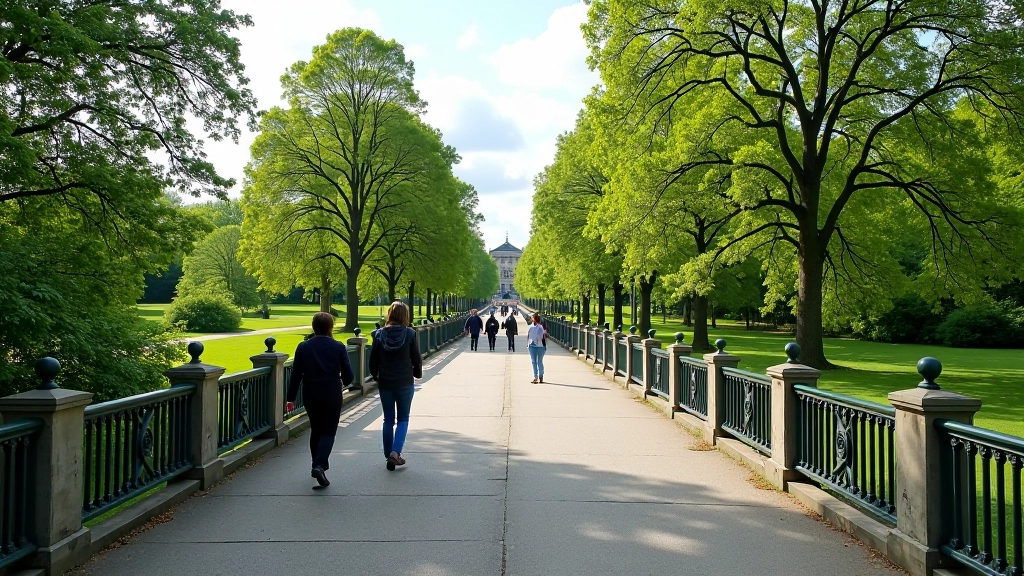
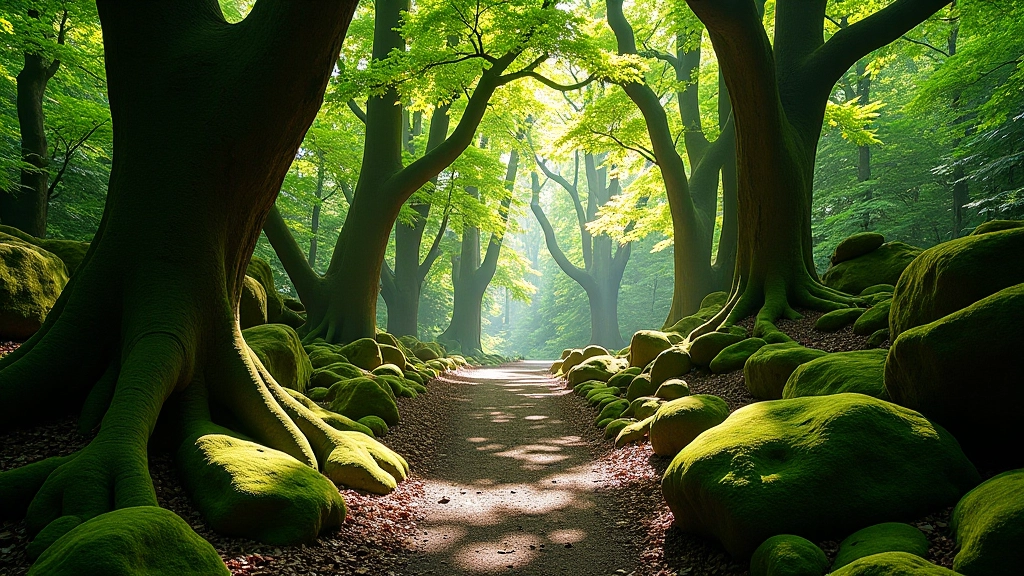
Start with the Muckross loop if you're new to Killarney. It's 5.5 kilometres, mostly flat, and takes you past the lake with views of the mountains. The path is well-maintained — you won't lose the way. Free car park right there.
Torc Mountain trail is slightly harder but worth it. Takes about two hours, climbs 270 metres, and you get proper views at the top. On clear days you can see three lakes from the summit. The climb's steady, nothing technical.
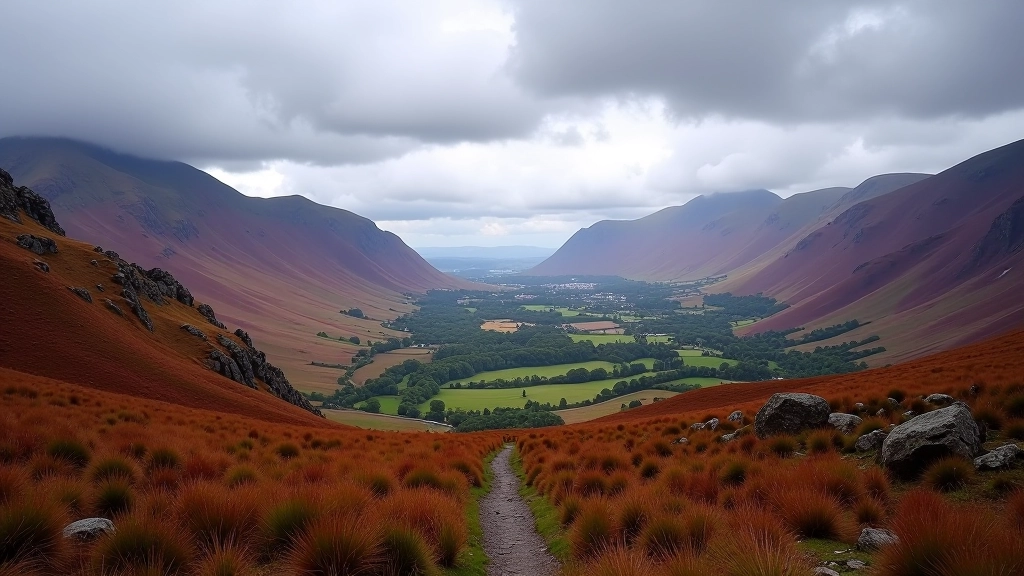
Ladies View is the famous one. Everyone goes there. It's not really a hike — more a scenic stop with a short walk — but the name comes from something real. The view down the valley is genuinely stunning. Park's free, but arrive early in summer or you'll spend an hour looking for a space.
Before You Go
This guide provides educational information about Killarney's trails and geography. Conditions change seasonally and after weather events. Always check current trail conditions with the park visitor centre before setting out. Bring proper footwear, water, and weather-appropriate clothing. Mobile coverage is patchy in the park — let someone know your route. The park has rescue services, but prevention is smarter than rescue.
Intermediate Trails: Building Your Skills
Once you've done the basics, you're ready for something with more elevation. The Dreimire trail is excellent for this — takes about four hours, climbs 420 metres, and you're genuinely in the mountains but not on exposed ridges. The trail's well-marked and the views of Dingle Bay on clear days are worth the effort.
Old Kenmare Road is different — it's a historic mountain pass, not a mountain trail. Takes two and a half hours, relatively easy grade, but the sense of history is strong here. You're walking where people actually lived centuries ago. There's a cafe at the halfway point if you need it.
Purple Mountain is straightforward despite the dramatic name. Three hours up and down, 832 metres elevation, and the path is obvious the whole way. The views get better as you climb. On a good day you can see across to Dingle and Iveragh peninsulas.
The Challenge Routes
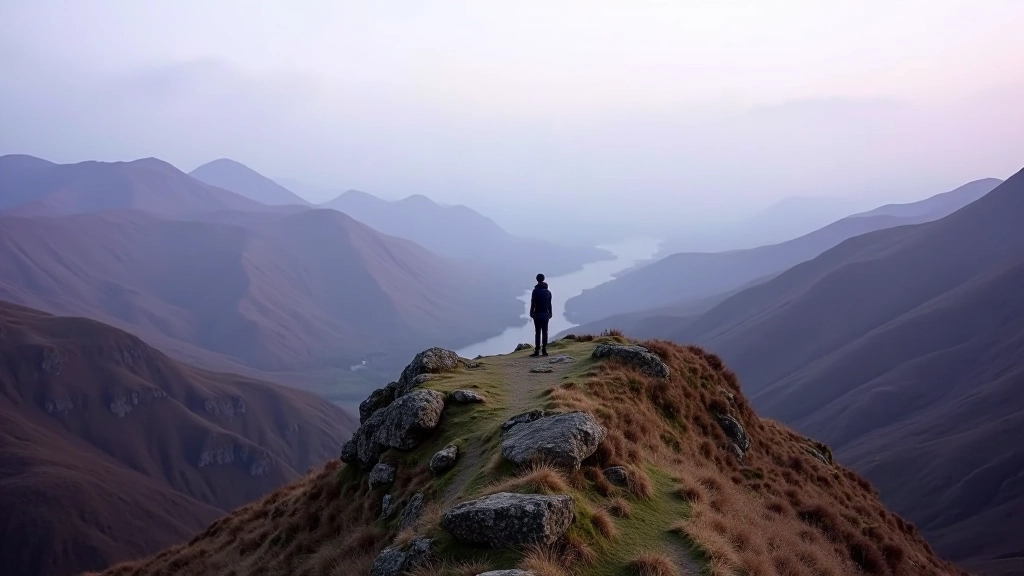
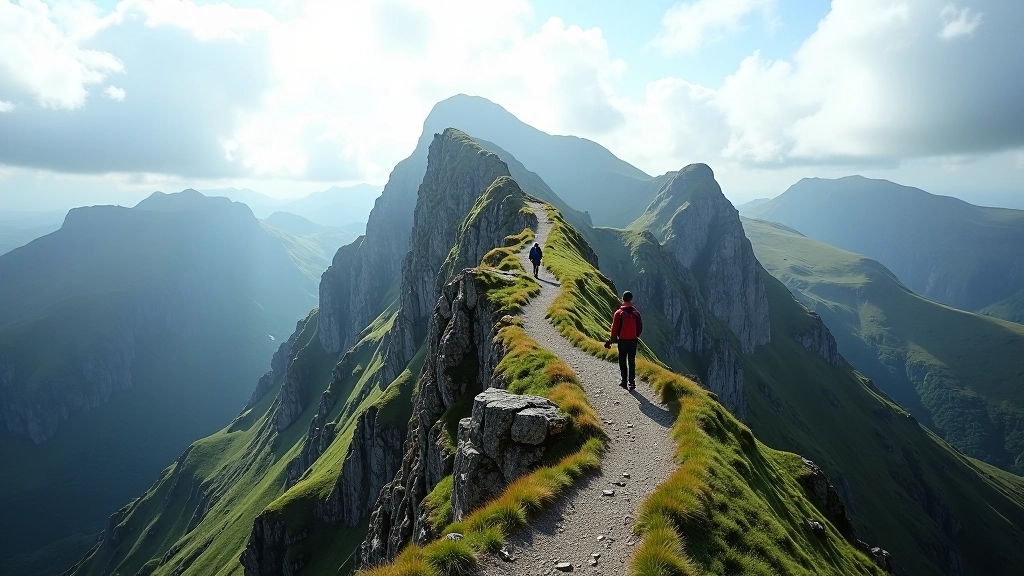
Carrauntoohil is the real deal. It's Ireland's highest peak at 1,038 metres and takes serious preparation. The Reeks Ridge route is the most popular — seven to eight hours, 1,200 metres of climbing, exposed in places, and you need decent fitness and scrambling experience. The weather changes fast up there. Conditions that are fine at nine in the morning can turn nasty by afternoon.
The Coomloughran horseshoe is for experienced walkers. Five peaks, 1,100 metres of climbing, seven hours minimum. It's technical — loose rock, steep sections, navigation matters. Don't do this on a misty day unless you know the route already.
Both these routes deserve respect. People get into trouble every year. They're not impossible — thousands do them annually — but they're genuinely challenging. Proper kit, experience, and good judgement aren't optional.
Practical Information You'll Actually Need
Parking
Muckross car park is free and has space for 200+ cars. It fills by 10 a.m. in summer. Ladies View has a large car park — also free — but gets rammed. Arrive before 9 a.m. if you want a space without circling. There's paid parking at Killarney town itself if you don't mind a short walk to the park entrance.
Best Seasons
April through October is genuinely good. Spring is quiet — March can still have snow on the higher peaks. Summer's busy but the weather's reliable. Autumn has the best light and fewer crowds. November onwards gets wet and muddy. The higher routes are snow-covered winter through March unless you've got winter mountaineering skills.
What to Bring
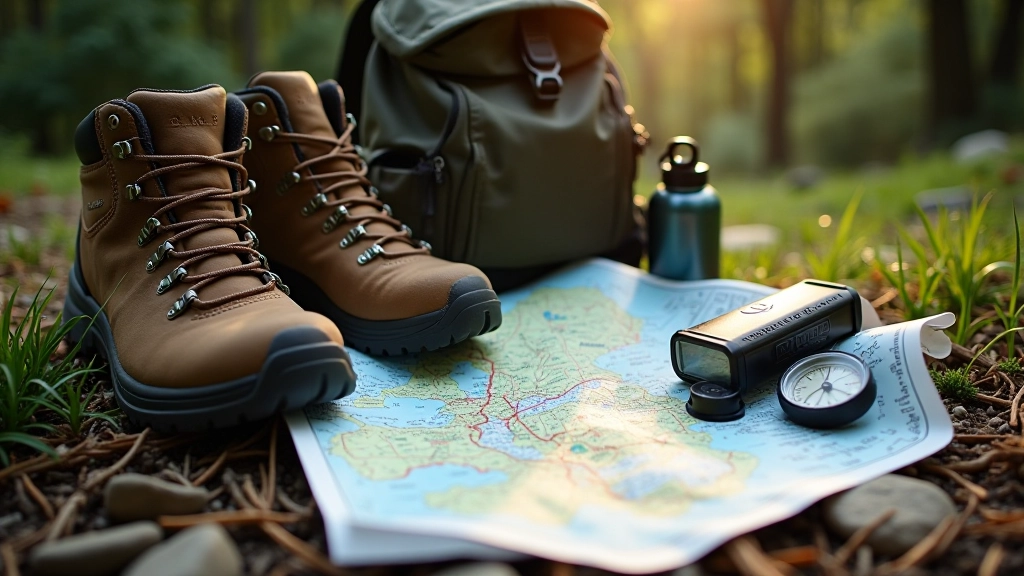
Proper hiking boots with ankle support. The trails are rocky and muddy — trainers will ruin your feet. Waterproof jacket regardless of the forecast. Irish weather changes in twenty minutes. Water — at least two litres for anything over two hours. Map and compass for the longer routes. Phone for emergencies, but don't rely on it — coverage is patchy above 500 metres.
Why Killarney Deserves Your Time
Killarney works because it's genuinely wild but accessible. You can do a two-hour loop in the afternoon and feel like you've actually been somewhere. Or you can spend a full day in the high mountains and push yourself properly. The infrastructure is there — car parks, paths, visitor facilities — but it doesn't feel overdeveloped.
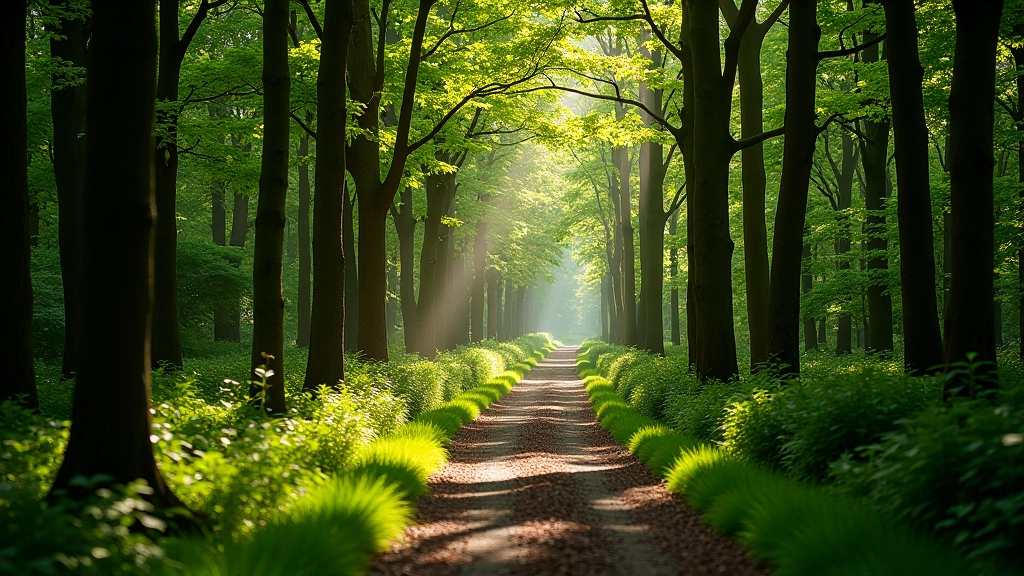
Most people visit once and come back. It grows on you. You notice different things each time — the way light hits the water, how the vegetation changes with elevation, the specific peaks that become familiar. That's what keeps people returning to the same trails year after year.
Start easy. Build your skills. Respect the mountains. And you'll understand why this place has drawn people for centuries.